
A suit against Bloomberg LP’s Nigerian subsidiary raises questions about the risks global companies face when outsourcing payroll services, especially regarding statutory compliance regulations.
That is the subject of this ebook titled “Suit Against Bloomberg Highlights Risk of Outsourcing Payroll Services for Global Companies.” The book is published by Nairawebng Political Risk and Advisory Services. The publication derives from a lawsuit filed by a former employee against Bloomberg Data Services Nigeria Company Limited, a local subsidiary of the company.
The dispute centres on alleged failures in remitting statutory employee contributions to Nigeria’s National Housing Fund (NHF), resulting in financial loss, legal action, and reputational risk. This white paper examines the legal issues raised in the case, explores the systemic risks of payroll outsourcing, and offers actionable recommendations for global companies.
The NHF, established in 1993, mandates that Nigerian workers contribute 2.5% of their income toward a fund intended to facilitate home ownership. Employers are responsible for deducting and remitting these contributions to the Federal Mortgage Bank of Nigeria. In practice, however, many employees struggle to access the benefits, and compliance lapses are common. The NHF is intended to accumulate equity for workers, enabling them to secure financing for home ownership, while also providing a pool of funds for mortgage banks to finance commercial housing projects.
According to court filings, the former employer was engaged by Bloomberg’s London office in 2008. In 2011, he was transferred to Bloomberg Data Services (Nigeria) Company Limited in 2011 and left the company in 2021.
Upon seeking a refund of his NHF contributions, he discovered significant shortfalls and gaps in remittance. Despite repeated requests, reconciliation was delayed for years, leading to legal action. The claimant alleges negligence, and mismanagement, and seeks damages and interest for delayed payment.
Breach of Statutory Duty and Negligence:
The claimant asserts that Bloomberg failed to remit the full amounts to the NHF as required by law, with gaps in remittance, negligent record-keeping, and delayed action.
• Loss and Damages:
The claimant quantifies his loss as both the unremitted principal and the loss due to currency depreciation, seeking interest and aggravated damages.
• Contractual Interpretation and Jurisdiction:
The claimant argues that statutory rights cannot be waived by private contract and that the court retains jurisdiction over statutory breaches.
• Specific Reliefs Sought:
Payment of unremitted NHF contributions, interest, special and aggravated damages, and costs of the action
The Defendant’s Legal Arguments
Bloomberg asserts all deductions were remitted, with evidence provided, and any discrepancies are due to administrative issues at the bank.
Waiver and Estoppel:
The defence relies on the mutual separation agreement signed with the former employee as a full and final settlement, arguing the claimant is estopped from bringing this suit
The defence maintains all obligations were discharged and any shortfall is due to the Federal Mortgage Bank’s record-keeping.
Implications for global companies
Outsourcing payroll does not absolve employers of statutory obligations. Ultimate responsibility for compliance remains with the employer, even when third-party providers are engaged
Legal and Reputational Risks
Failure to comply with statutory obligations can result in litigation, financial penalties, and reputational damage, risks faced by Bloomberg in this case.
Prevalence of Outsourcing:
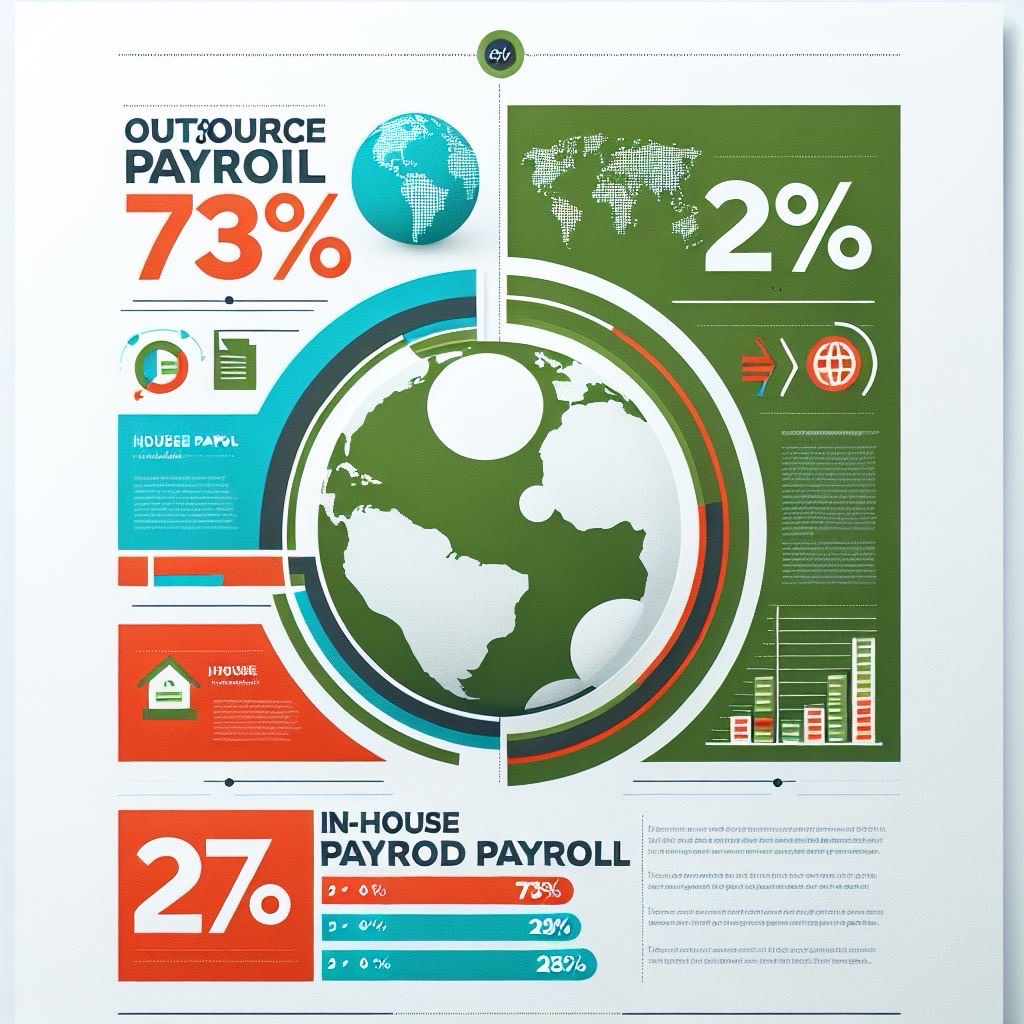
73% of organizations outsource at least one payroll task; 12% outsource their entire payroll function. Payroll is the most commonly outsourced HR function, with 70% of HR outsourcing contracts including payroll services.
Market Growth:
The global payroll outsourcing market is projected to reach $16.87 billion by 2030.
• Compliance and Penalties:
53% of companies have incurred payroll penalties in the last five years due to compliance failures. Businesses operating in multiple countries face a 67% penalty risk, compared to 24% for single-country businesses.
• Payroll Errors:
32% of payroll errors take more than two pay cycles to fix. Globally, businesses achieve only a 78% payroll accuracy rate, meaning 22% of payroll runs contain errors. 49% of companies with global operations reported significant payroll errors in the past year, with an average loss of $291 per error. 1 in 6 companies experienced litigation due to payroll errors in the past year.
This ebook highlights the risks involved with outsourcing and provides the necessary guardrails and safeguards for navigating such situations. Follow the link below to grab your copy:
https://gongster280.gumroad.com/l/lephjpm
Suit No NICN/LA/88/2025 Between Mr. Dulue Mbachu -Vs Bloomberg Data Services Nigeria Company Limited. will come up on 24-February-2026 Before Hon. Justice Elizabeth A. Oji at NICN-Lagos Division (Court 7).
 Nairaweb.ng