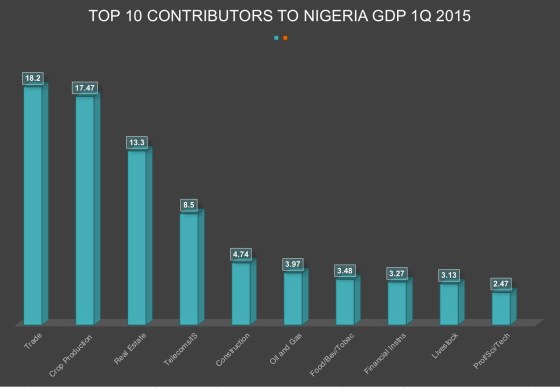
Nigeria’s real estate sector has surpassed petroleum in GDP contributions, reflecting economic diversification. Factors behind this boom include significant illicit financial flows and remittances. Despite economic contractions, real estate investments have thrived, with many properties remaining vacant. Government efforts to address the housing deficit face challenges regarding property rights and ownership transparency.
Tag: nigerian inflation
Markets at a Glance
Thursday, 15 October 2020 EQUITIES • The All-Share Index ended flat at 28,344.04 with a market capitalization at 14.81 trillion … More
Nigeria’s Inflation Accelerates for 13th Month, Now at 13.7%
By Chuks Emele Thursday, 15 October 2020 Nigeria’s annual inflation accelerated for the 13th consecutive month in September to 13.7 … More
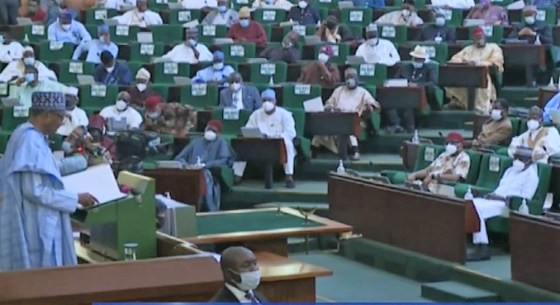
Buhari Proposes More Borrowing, More Spending in 2021
Thursday, 8 October 2020 By Bashir Olanrewaju President Muhammadu Buhari tabled proposals before a joint session of the legislature in … More
One Thing Covid-19 Can’t Take Away
Penny Wisdom By Emeka Uzoatu Hi. You there? Today I come with differential tidings. One borne out of a slip … More
Nigerian Unions Threaten Strike Over Hikes in Energy Prices
By Bashir Olanrewaju The Nigerian Labour Congress, the country’s biggest trade-union federation, said it will begin an indefinite strike on … More
Daily Market Wrap
Wednesday, 16 September 2020 EQUITIES The All-Share Index fell 0.19% to 25,550.31, with market capitalization at 13.35 trillion naira. The … More
Nigeria’s Inflation Jumped to 13.2% in August on Food Costs
By Our Reporter Tuesday, 15 September 2020 Nigeria’s consumer price index jumped 13.3 percent in August from a year earlier, … More
Nigeria’s Inflation Driven by Food Costs, Naira Weakness
Monday, August 17, 2020 Nigeria’s inflation maintained its upward trend in July, rising to 12.8 percent as food costs and … More